Executive Summary
- Traditional search often returns links and listings, while AI assistants may synthesize an answer to a specific question. Many AI tools also retrieve live web sources, so visibility is not determined by training data alone.
- For a business to be understood and considered, its website, professional information and independent coverage need to tell a consistent, credible story.
- The strongest approach combines sound SEO with strategic PR. Useful content supports discovery while relevant third-party coverage provides evidence of expertise.
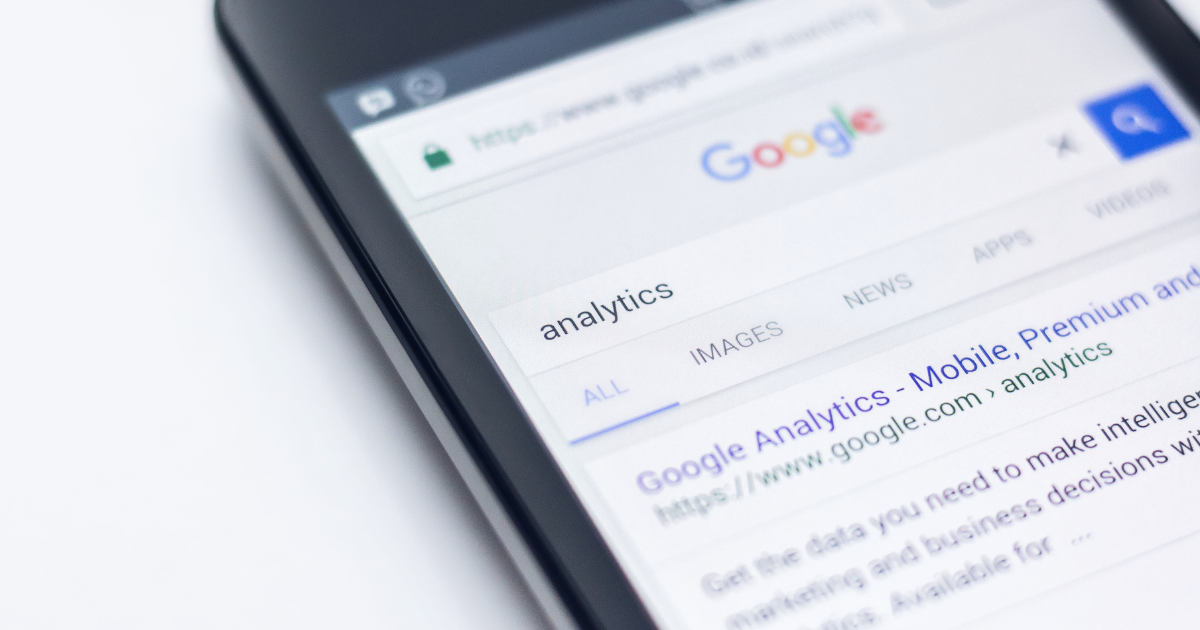
The distinction matters. When someone types “real estate attorney Texas” into Google, they often expect a results page of websites, maps and listings. Search engines use many signals to decide what appears, including relevance, content and links.
Now imagine someone asks an AI assistant, “Who is a trusted real estate attorney in Texas for a complicated commercial transaction?” That’s a much more specific request. The system may synthesize information from multiple sources and present a conversational answer.
There is overlap between the two systems. Google has AI features, and some AI assistants search the live web. But the experience for the buyer is different. They’re not necessarily looking for ten websites to compare. They want help narrowing the choices.
Why authority needs to be visible beyond your website
A polished homepage tells visitors what you want them to know. It doesn’t automatically prove that outside experts recognize your work.
If you’re that attorney, what can people find when they look for you? Published interviews? Commentary on new legislation? A detailed explanation of a tricky real estate issue? Client reviews where appropriate? Accurate professional credentials?
Those signals give people and AI systems more context. That is where strategic PR and useful website content begin working together.
SEO still matters
That does not mean abandoning SEO. Absolutely not.
Your site still needs clear service pages, relevant titles, accessible content and a logical structure. People still search the traditional way. Your website is also the place where someone should be able to learn more and contact you after seeing your brand elsewhere.
The mistake is treating SEO and PR as competing investments. Strong search fundamentals help people find and understand you. Consistent earned media helps reinforce your credibility with third-party coverage.
Give people and machines the same clear story
If your website describes you as a commercial real estate specialist, your published commentary should show that same expertise. If your Google Business Profile lists one service area and your site lists another, fix the inconsistency. If you were featured in a respected publication, link to the article where appropriate and add context for visitors.
Don’t chase generic visibility. Be specific about who you help, what problems you solve and why your experience matters.
The takeaway
Google optimization and AI discoverability need to work together. Your brand should be easy to find, easy to understand and easy to trust. That is a much stronger position than simply trying to rank for one keyword.
FAQ
Traditional Google searches have historically relied on keywords, backlinks and other ranking signals to deliver a list of websites that users can explore. AI-powered search takes a different approach. Platforms like ChatGPT, Claude, Gemini and Perplexity interpret conversational questions and generate responses using information from available sources, which may include published articles, business websites, industry publications and other credible content.
For example, someone searching Google for "real estate attorney in Los Angeles" might receive a list of law firms and directory listings. Someone asking AI, "Who is a trusted real estate attorney in Los Angeles with experience handling complex commercial transactions?" is requesting a more specific recommendation.
This distinction matters because businesses need to do more than rank for relevant keywords. They also need to demonstrate expertise, establish credibility and maintain a consistent presence across authoritative sources. The goal is to make it easier for both traditional search engines and AI platforms to understand who you are, what you specialize in and why your business deserves consideration.
Earned media helps establish the third-party credibility that businesses cannot create simply by promoting themselves. When a respected publication features your company, quotes one of your executives or recognizes your expertise, that coverage provides independent validation of your authority.
This matters for AI visibility because AI-powered search systems may reference published journalism and other authoritative sources when generating answers. A business with consistent coverage in reputable industry publications has additional publicly available evidence supporting its expertise beyond the claims on its own website.
But not all media coverage provides the same value. A relevant feature in a respected trade publication may be more meaningful to your target audience than a brief mention in a national outlet. The quality, relevance and consistency of coverage matter.
At CIM Inc PR, we view earned media as a long-term investment in brand authority. Strategic media relations can help establish your business as a recognized expert in its industry while creating additional opportunities for discovery through traditional search and AI-powered platforms. Media coverage doesn't guarantee an AI recommendation, but it can strengthen the foundation of credibility that supports one.
The most effective approach is to develop an integrated strategy that combines traditional SEO, authoritative website content and consistent earned media coverage. Optimizing for one search platform while ignoring the others can leave valuable opportunities for discovery on the table.
Start with your website. Make sure your business information is accurate, your services are clearly explained and your content addresses the questions potential customers are actually asking. Include meaningful information about your team's experience, specialized expertise and professional credentials. A well-organized website gives search engines and AI systems a clearer understanding of your business.
Next, strengthen your presence beyond your website. Pursue relevant media opportunities, contribute expert commentary to industry publications and develop thought leadership content that demonstrates what makes your business different. Consistent coverage across credible sources helps reinforce your positioning.
Finally, measure your results. Monitor traditional search performance alongside your visibility in AI-generated responses. Look at whether AI platforms mention your business, describe your expertise accurately and include your company when answering questions relevant to your services.
Because AI-generated answers can change based on the platform, the question and the available sources, visibility should be evaluated regularly rather than through a single search.
CIM Inc PR helps businesses connect strategic public relations with digital visibility. Through media relations, content development and AI visibility analysis, our team identifies opportunities to strengthen brand authority and improve discoverability across the platforms customers increasingly use to make decisions.
There is no magic number. Start with the formats that make sense for your brand and test how your audience responds. A balanced mix can help you reach people in different ways without forcing every idea into the same format.
Next step:
Next step: If you want a visibility strategy that connects search, content and earned media, book a consultation with CIM Inc PR.
Marisa Vallbona, APR, Fellow PRSA, is the founder of CIM Inc PR and a communications strategist with more than three decades of experience helping organizations build credibility and visibility through strategic public relations.

